
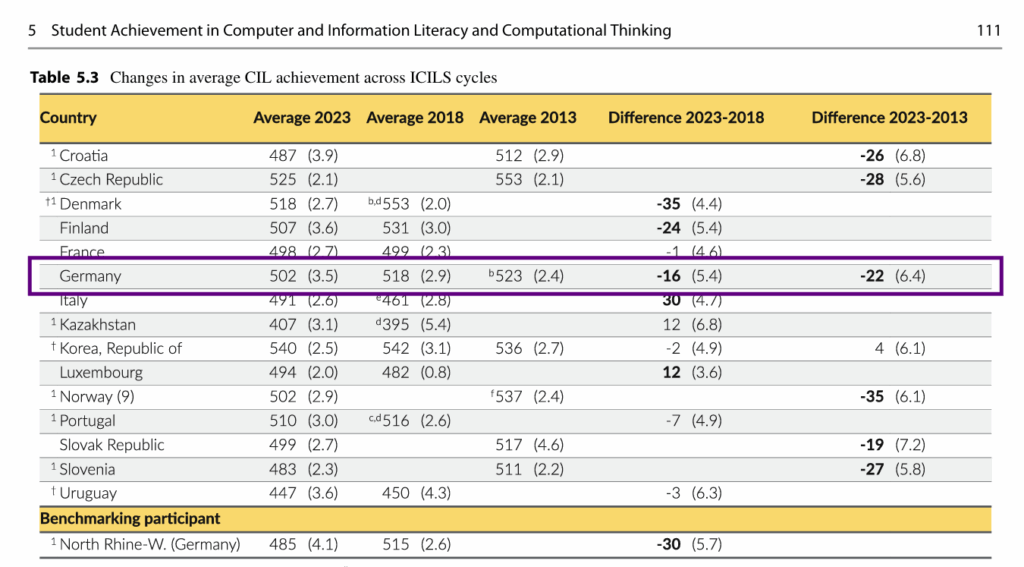
Studies carried out in 2013, 2018, and then 2023 show that digital literacy within German schools has been in decline over the past 10 years. Existing approaches are not delivering the desired educational outcomes.
Germany’s next major investment in school digitalisation is taking shape. With DigitalPakt Schule 2.0, the German federal government and states have agreed a new, long-term programme to support schools backed by €5 billion in funding .
DigitalPakt 2.0 represents a rare opportunity to step back, reflect on what is working well – and what is not, and to build digital learning environments that are sustainable, interoperable, and future-proof.
What is DigitalPakt Schule 2.0?
DigitalPakt Schule 2.0 is the successor to Germany’s original DigitalPakt programme, jointly funded by the German federal government and the federal states. Public announcements from bodies such as the Kultusministerkonferenz (Ministers of Education) make clear that the next phase aims to go far beyond one-off hardware investments.
A consistent theme across official communications and press coverage is a stronger focus on long-term usability and maintenance, better integration between systems, and digital teaching and learning as an ongoing capability, not a one-time project.
In short – DigitalPakt 2.0 is not just about buying technology, but about building and securing future digital capacity.
Lessons learned from DigitalPakt 1.0
When the original DigitalPakt Schule (2019–24) was launched with billions in funding, the headline goal was clear: boost digital infrastructure and learning in schools. While much progress was made, a range of structural and practical issues emerged that provide useful context for how DigitalPakt 2.0 should be shaped – particularly around software and collaboration tools.
From the beginning of the project, critics flagged that Microsoft products were being bundled into school deals, pushing schools toward one particular proprietary ecosystem. While not officially mandated, these de facto defaults had the effect of limiting the consideration of less well-known alternatives that may offer stronger interoperability, improved security, lower long-term costs, or greater digital sovereignty.
Additional questions remained about training of teaching staff, highlighting the importance of using not only powerful, but intuitive, easy-to-learn software packages.
Perhaps most concerningly – studies carried out in 2013, 2018, and then 2023 (towards the end of the DigitalPakt 1.0 period) show that digital literacy within German schools has been in decline over the past 10 years, suggesting that existing approaches are not delivering the desired educational outcomes.
The real opportunity of DigitalPakt 2.0
Modern school IT environments are complex ecosystems. They typically include identity and access management, file storage and sharing, document creation and collaboration, learning platforms, and a wide variety of end-user devices. Issues emerge when procurement focuses primarily on immediate deployment, rather than on long-term effectiveness and integration across the wider system.
DigitalPakt 2.0 offers an opportunity to rethink the procurement approach in a more innovative, modular and sustainable way. While all-in-one platforms look great on paper, in reality, they limit the ability for administrators to select, replace, integrate new systems, or upgrade components independently. Rather than relying on monolithic, all-in-one platforms, schools and authorities can combine best-in-class tools, each focused on doing their job exceptionally well, provided they integrate cleanly and reliably.
When software providers focus on specialisation and strong integration, everyone benefits: schools gain flexibility, finance teams reduce long-term vendor lock-in risks, and system administrators benefit from simpler maintenance and clearer responsibilities. Most importantly, teachers and students gain tools that are better aligned with real-world teaching and learning workflows.
Building digital learning environments that last
DigitalPakt Schule 2.0 is a genuine opportunity to move beyond short-term digitisation projects, towards new solutions for schools, with better outcomes for students.
With powerful, modular architectures, and well-integrated specialist tools, schools and authorities can build systems that remain flexible, sovereign, and effective long after the funding period ends.
If you’re exploring how better collaborative document editing, or innovative teaching tools could fit into your DigitalPakt 2.0 plans, Collabora Online is designed to integrate cleanly into existing education IT environments.
If you’re planning a larger deployment, migration, evaluating options, or would like support designing a sustainable collaboration setup for schools or school authorities, get in touch with us. We’d love to help you explore how Collabora Online can support your DigitalPakt 2.0 goals.